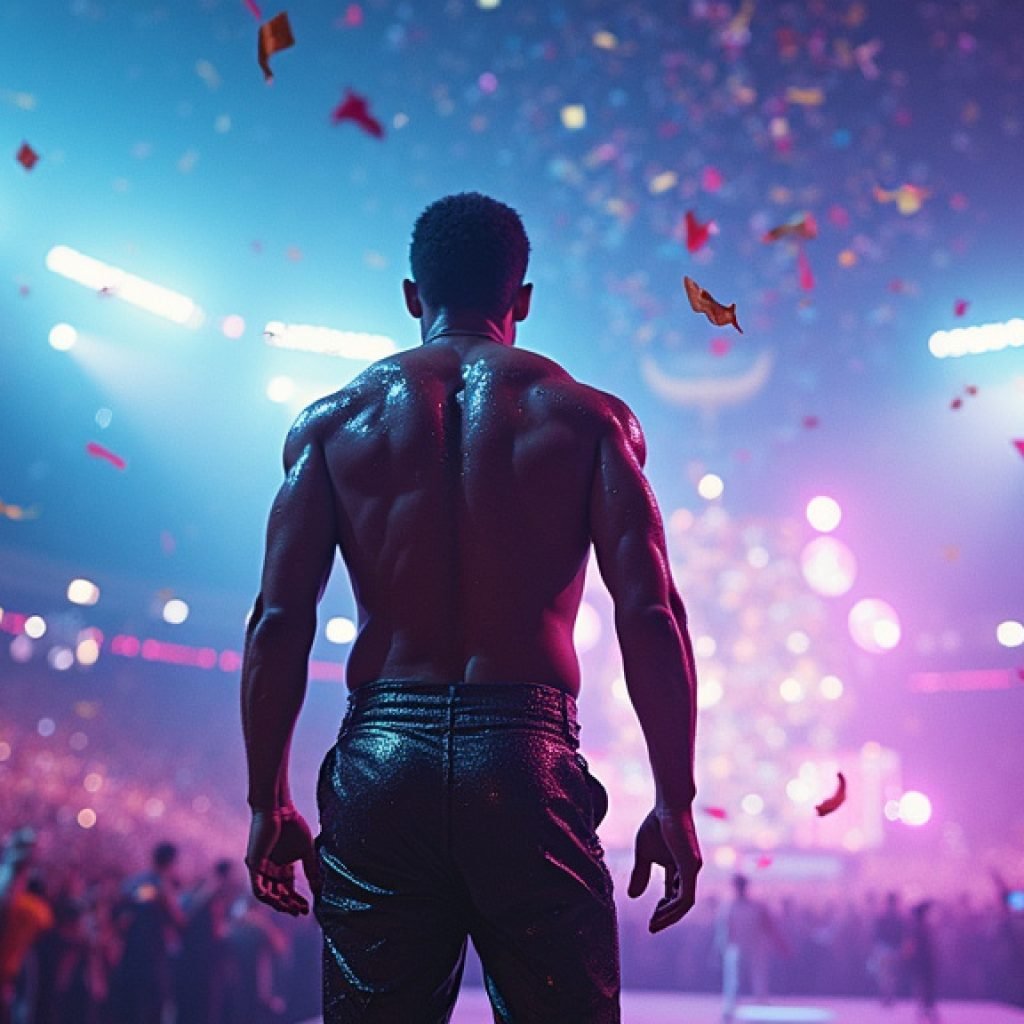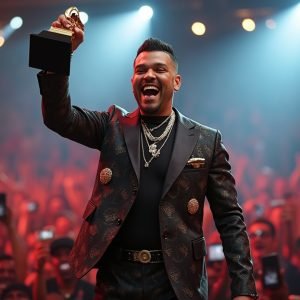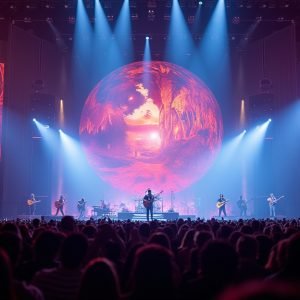
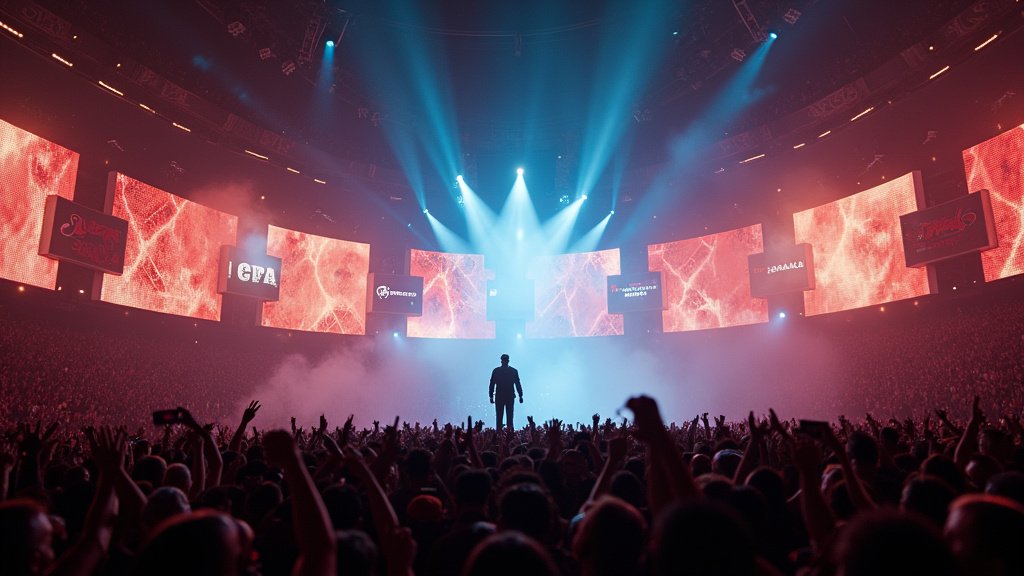
The Roc Nation Super Bowl era has dramatically reshaped the Super Bowl halftime show, marking a significant shift in mainstream entertainment. This partnership with the NFL champions diversity and fuels ongoing cultural debates, with shows now featuring a broader spectrum of artists. The Roc Nation Super Bowl influence is undeniable, significantly impacting how we view halftime performances and solidifying the Roc Nation NFL partnership.
The Roc Nation Super Bowl Era Begins
In 2019, Jay-Z’s Roc Nation partnered with the NFL, a deal that aimed to revitalize the halftime spectacle and increase representation. Jay-Z became the key curator for live music events, now advising on artist selection and production, giving him significant influence. The NFL secured support from the music industry and gained access to younger audiences. This Roc Nation NFL partnership aimed to nurture community through music and aligns with the NFL’s Inspire Change initiative. Before this, the NFL used a fragmented selection process, often leaving many artists disappointed. Jay-Z wanted a more deliberate approach, feeling the previous system wasn’t working for the Roc Nation Super Bowl.
Boosting Musical Diversity and the Roc Nation Super Bowl
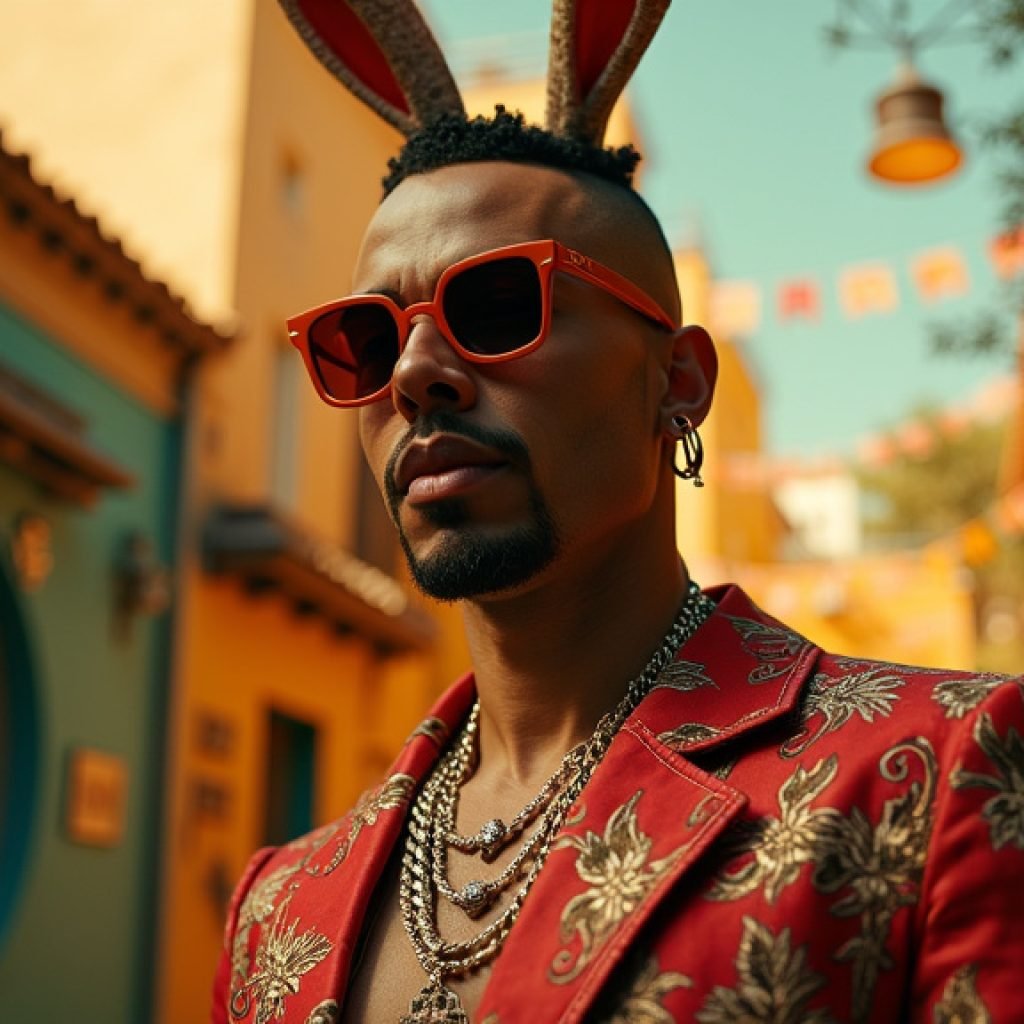
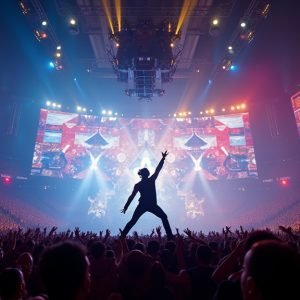
Roc Nation’s influence has expanded racial diversity, with performers now representing a wide range of backgrounds. This includes a significant increase in Super Bowl musical diversity. Bad Bunny headlined the 2026 Super Bowl LX halftime show, becoming the first solo latino artist to do so and performing almost entirely in Spanish. This marked a historic milestone, celebrating cultural pride and highlighting global reach and power. His performance featured songs from his Grammy-winning album, with guests like Lady Gaga and Ricky Martin joining him. Martin performed a song about gentrification in Puerto Rico. The show also featured a real wedding ceremony, aiming to represent love and connection, further showcasing the breadth of the Roc Nation Super Bowl.
Political Messages and Cultural Conflict in the Roc Nation Super Bowl
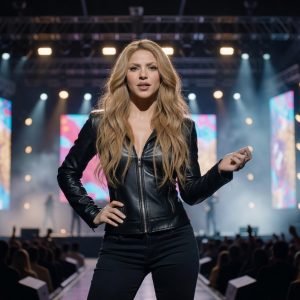
Halftime shows have increasingly featured political messages halftime, a trend intensified under Jay-Z’s curation. The 2020 performance by Jennifer Lopez and Shakira was notable for including messages opposing Trump administration policies, with children in illuminated pods mimicking cages to allude to immigration enforcement tactics. Lopez displayed a flag of Puerto Rico, highlighting its ties to the U.S., while Shakira performed a song with Spanish lyrics aimed at conveying a message of unity and celebrating America’s diversity. Bad Bunny’s 2026 performance also sparked controversy as he openly opposed former President Donald Trump. Conservative figures criticized his selection, with former President Trump calling the show “absolutely ridiculous” and stating, “I’ve never heard of him.” Turning Point USA organized an alternative halftime show headlined by Kid Rock, highlighting a cultural conflict Super Bowl surrounding the Roc Nation Super Bowl.
Jay-Z’s Vision and the Future Impact of the Roc Nation Super Bowl
Jay-Z’s choices often disrupt narratives, selecting acts that go beyond mere spectacle to become cultural moments. His picks have included Kendrick Lamar, Rihanna, and Usher, artists who have often faced scrutiny. Some critics see Roc Nation as gatekeepers, while others view it as countering institutional exclusion. Jay-Z stated the NFL platform must be all-inclusive, a sentiment supported by NFL Commissioner Roger Goodell, who believes these diversity efforts make the NFL better. The league has committed to DEI practices. Jay-Z’s influence has clearly redefined the Roc Nation Super Bowl halftime stage, making it now reflect a broader American culture. The shows continue to be a platform for artists and their messages, with his selections consistently delivering cultural relevance. This Roc Nation NFL partnership elevates both entertainment and social justice, cementing the Roc Nation Super Bowl as a pivotal moment in entertainment history. The Roc Nation entertainment impact is far-reaching, especially concerning the Jay-Z music curation for the Roc Nation Super Bowl.