
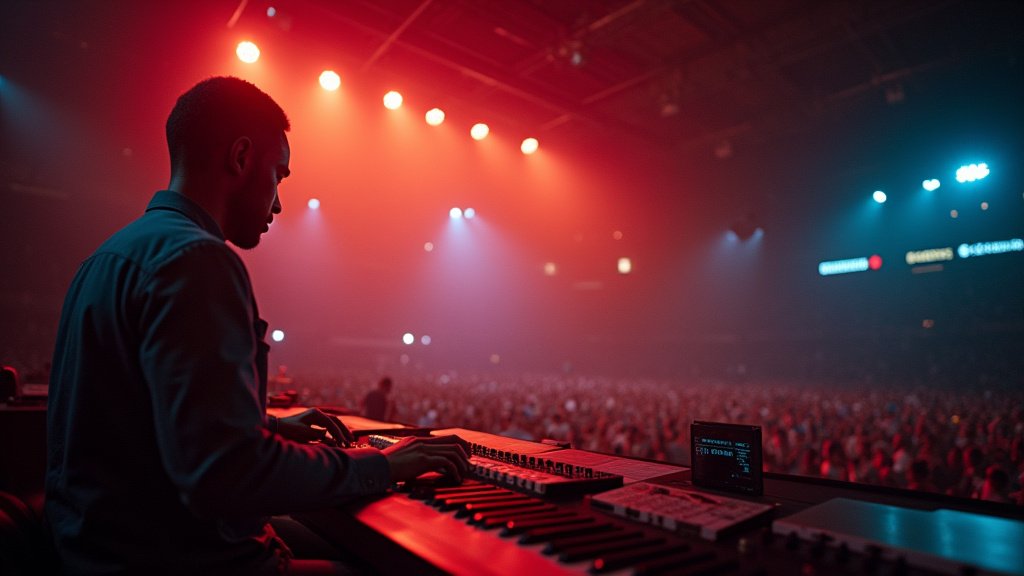
Debit, the multifaceted electronic producer known for her experimental prowess, has officially released ‘Desaceleradas,’ a project that invites listeners to experience the high-octane energy of Afro-Latin club music through a radical, slowed-down perspective. By decelerating the frantic pace of traditional baile funk and reggaeton-adjacent rhythms, Debit has crafted a soundscape that feels both nostalgic and futuristic, trading raw dancefloor aggression for a haunting, atmospheric seduction.
The Art of Deceleration
At the core of ‘Desaceleradas’ lies a deliberate manipulation of tempo. In club culture, momentum is often equated with speed; however, Debit challenges this convention by stretching samples and percussive loops to a crawl. This technique does not drain the energy from the tracks; rather, it amplifies the texture of the sound design. By slowing the rhythm, she exposes the intricate, hollowed-out cavities within the basslines and the crystalline, metallic edges of the synthesized melodies. It is a masterclass in tension, where the listener waits for a drop that morphs into a slow-burn groove instead of a chaotic release.
Cultural Context and sonic Innovation
Debit’s exploration of Afro-Latin club sounds is deeply rooted in an appreciation for the cultural diaspora. By deconstructing these genres, she isn’t merely remixing; she is archiving the DNA of the music. The project acts as a bridge between the vibrant, street-level energy of Latin American nightlife and the clinical, immersive environments of contemporary experimental electronica. Throughout the album, one hears ghosts of vocal chants and syncopated percussion that feel like fragments of memory, rendered in high definition and draped in layers of ambient reverb.
A Cinematic Approach to Club Music
What sets this project apart is its cinematic quality. ‘Desaceleradas’ avoids the repetitive monotony often associated with slow-tempo electronic music. Instead, each track evolves like a scene in a noir film, utilizing silence and negative space as effectively as the beats themselves. The production choices reflect a meticulous attention to detail, positioning Debit as a visionary who views club music not just as a tool for movement, but as a vehicle for emotional storytelling. Whether played in a dark, underground club or through headphones on a quiet evening, the record demands focus, rewarding the listener with its depth, complexity, and undeniable, albeit unconventional, groove.