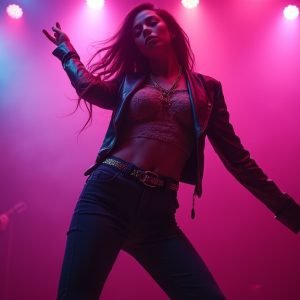
Benito Antonio Martínez Ocasio, known worldwide as Bad Bunny, is more than a music superstar. He has become a powerful political icon. His journey transcends the charts. It reflects a growing trend of artists using their platforms for social change. He has captivated millions with his music. Now, he also leads vital conversations. These discussions span politics, identity, and human rights.
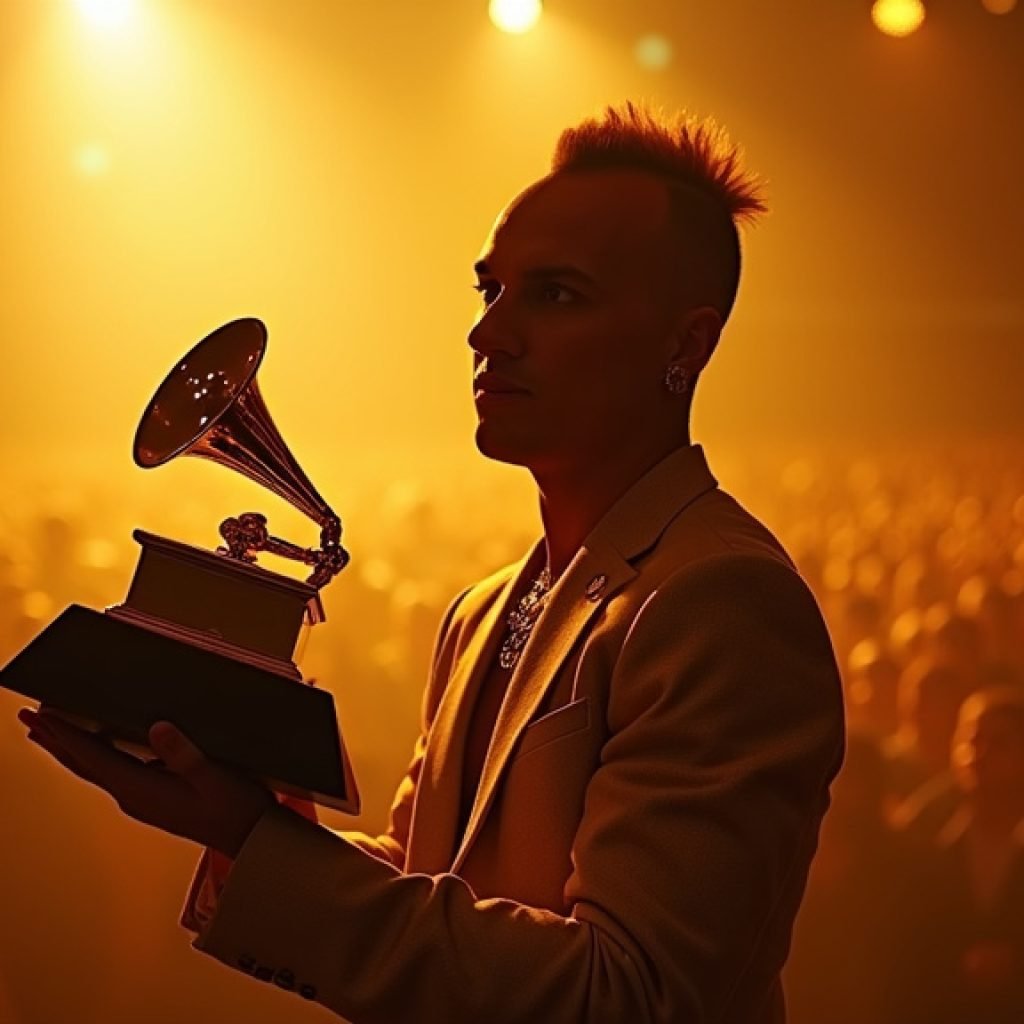
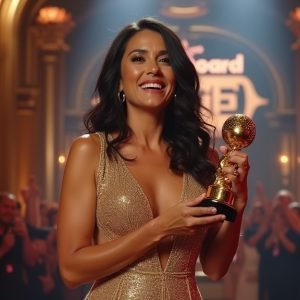
Bad Bunny’s influence exploded globally. His album “DeBÍ TiRAR MáS FOToS” made history. It won the Grammy for Album of the Year in 2026. This was a monumental achievement. It marked the first time a Spanish-language album claimed this top prize. His acceptance speech resonated deeply. He boldly declared, “ICE out.” He added, “We are not savages, we are not animals, we are not aliens; we are human, and we are Americans”. He called for love to overcome hate. This speech amplified urgent calls for immigration reform.
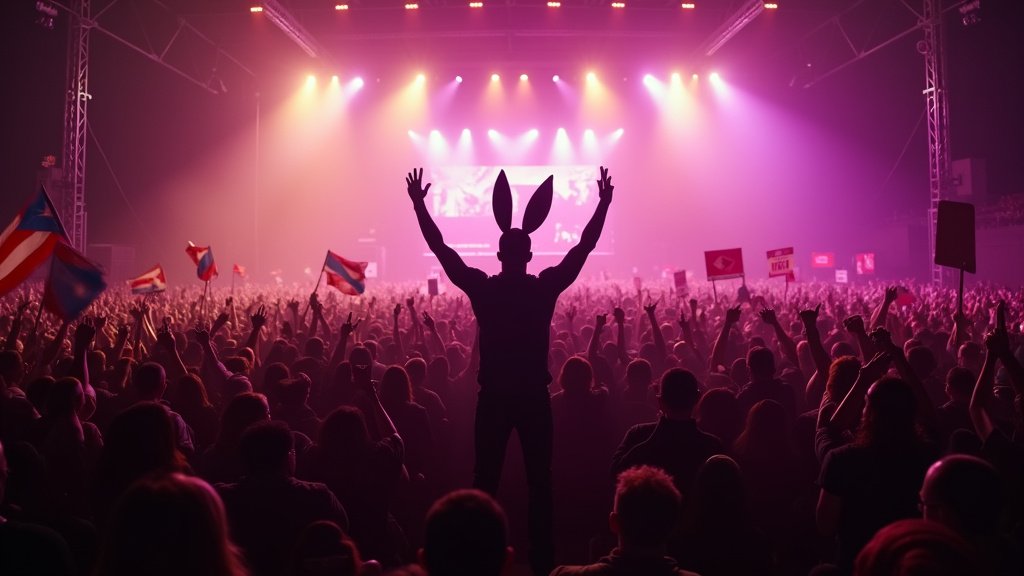
His roots in Puerto Rico fuel much of his activism. The island faces persistent political and economic challenges. Bad Bunny has consistently highlighted these issues. He played a key role in the 2019 protests against Governor Ricardo Rosselló. The movement, known as #RickyRenuncia, forced the governor’s resignation. Bad Bunny didn’t just attend; he created protest music. He encouraged citizens and fellow stars to join.
Furthermore, his music often serves as social commentary. His song “El Apagón” addresses issues like privatization and gentrification in Puerto Rico. He also used a performance to highlight the violence against transgender women. He wore a shirt reading, “They killed Alexa, not a man in a skirt”. This brought attention to transphobia and toxic masculinity. His work challenges societal norms directly.
Bad Bunny champions Puerto Rican identity. He insists on singing in Spanish. This celebrates the island’s culture. It also highlights the richness of Puerto Rican Spanish. Some experts note his popularity may influence perceptions of this dialect. He also embraces gender-fluid fashion. This defies traditional machismo in music. He is a queer icon for many.
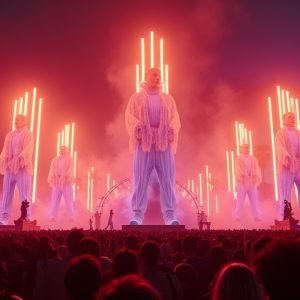
His political stance has drawn both admiration and criticism. Conservative groups often label him as anti-Trump and an “anti-ICE activist”. His performances, like the Super Bowl halftime show, are seen as cultural and political statements. Some critics wrongly question his U.S. citizenship, ignoring his Puerto Rican heritage. However, Bad Bunny remains unwavering. He states, “I’m going to talk, and whoever doesn’t like it doesn’t have to listen to me”.
His impact extends beyond music charts. He uses his voice to advocate for immigrants and marginalized communities. He critiques colonialism and calls for self-determination for Puerto Rico. Bad Bunny’s rise shows music’s potent role. It can shape public opinion and inspire action. He is a top artist, but also a vital voice for justice. His stories are now part of a larger cultural narrative. His influence continues to grow.