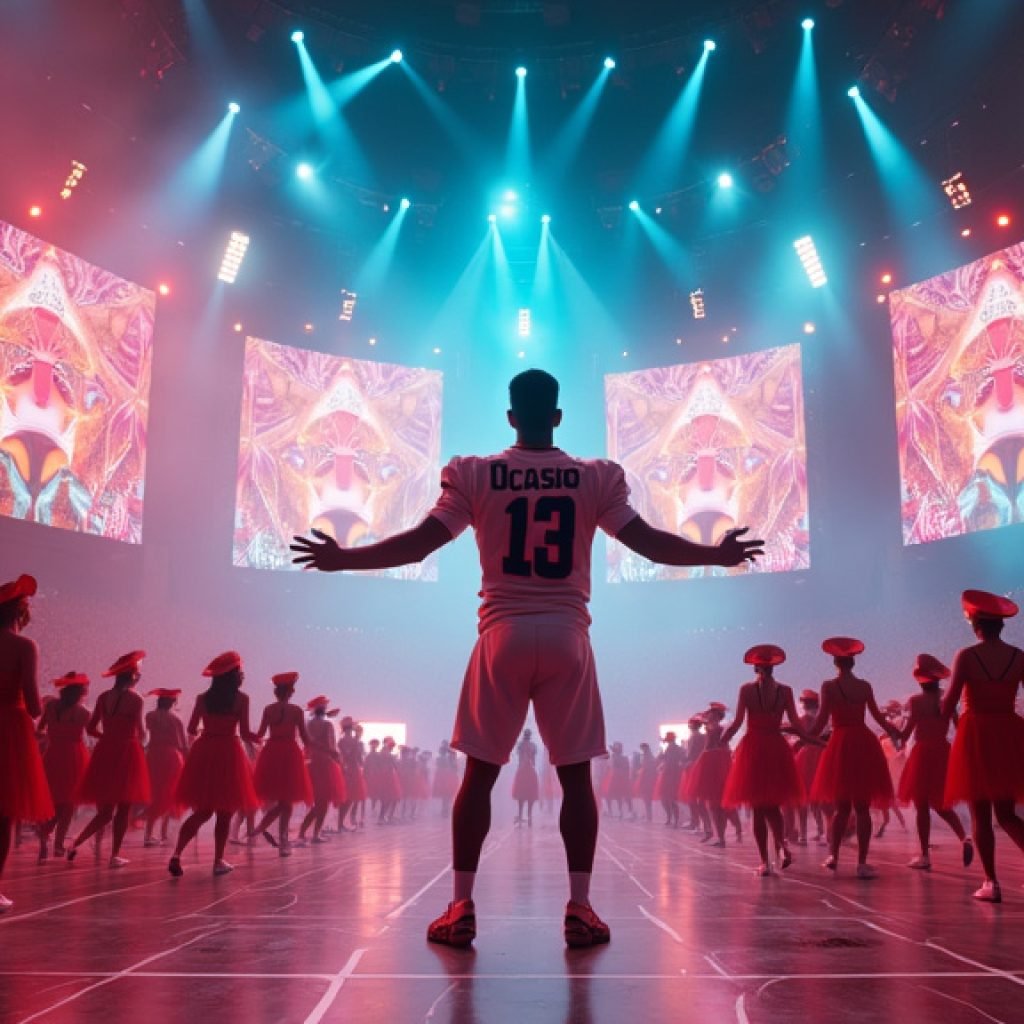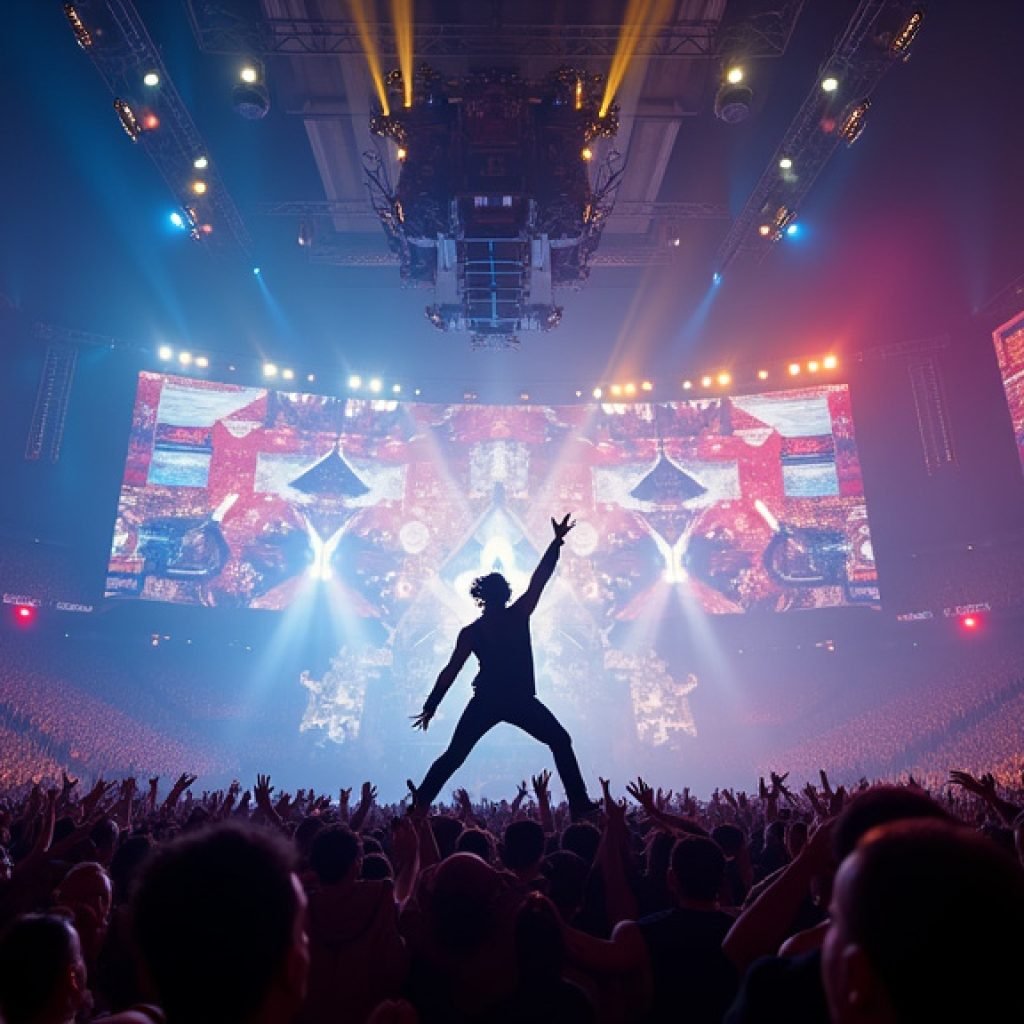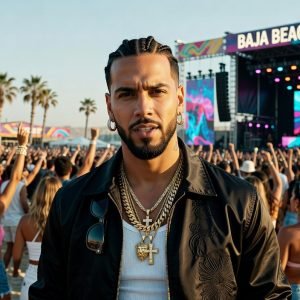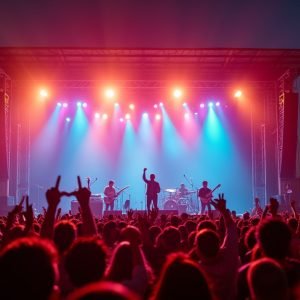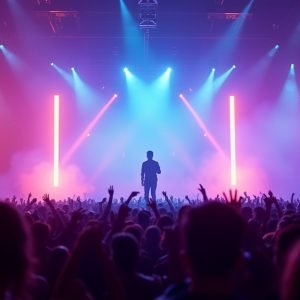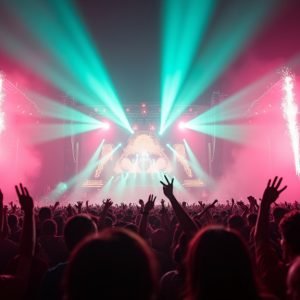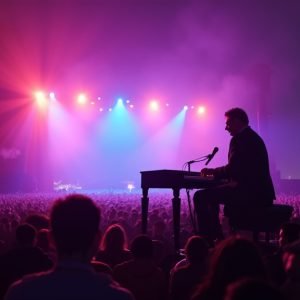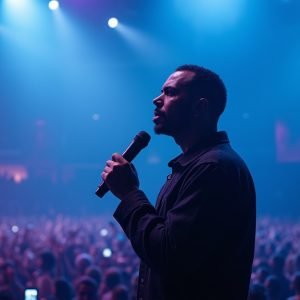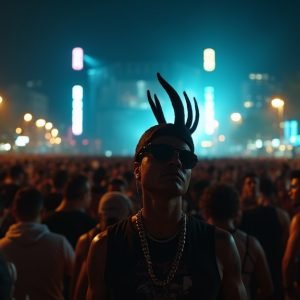
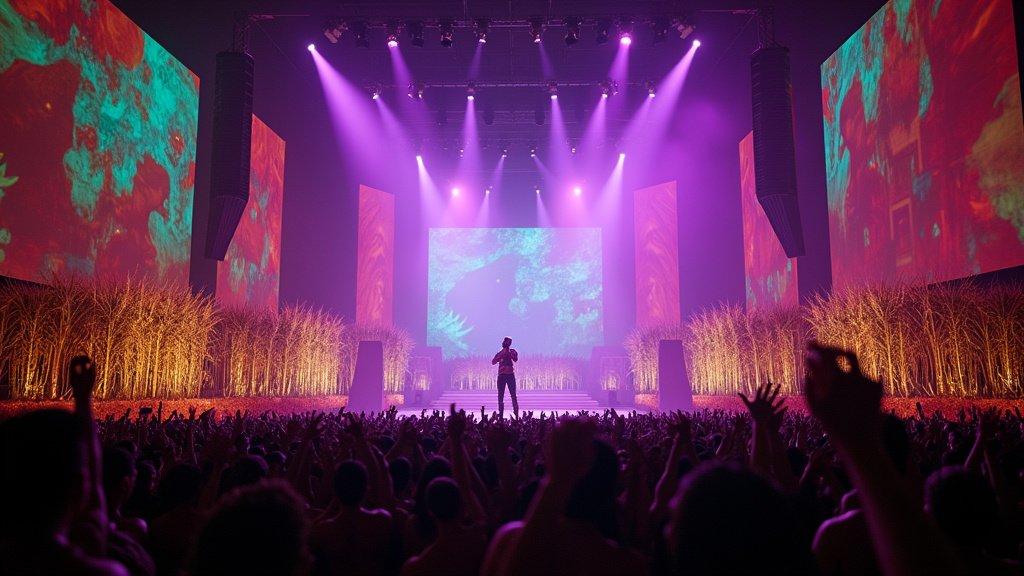
Bad Bunny made history by headlining the Super Bowl LX halftime show on February 8, 2026, marking a monumental Bad Bunny Super Bowl moment. This groundbreaking performance solidified him as the first solo Latin artist to achieve this prestigious honor, a true Bad Bunny Super Bowl triumph. The show, predominantly in Spanish, was a significant first for the Super Bowl and a vibrant celebration of Puerto Rican and Latin culture, showcasing the reggaeton global reach. Featuring dynamic staging, including a mock sugar-cane field and a replica of his concert residency “casita,” the Bad Bunny Super Bowl halftime show was a visual spectacle. Guest appearances by Lady Gaga and Ricky Martin added layers of symbolic weight to the performance, which also carried political undertones, referencing Puerto Rico’s infrastructure challenges and advocating for unity with a powerful message: “The only thing more powerful than hate is love.” Reaching over 125 million viewers, this Bad Bunny Super Bowl event significantly boosted the global reach of reggaeton and Latin trap music, solidifying its place as a major cultural milestone.
A Historic Bad Bunny Super Bowl: A Latin Music Milestone
Bad Bunny delivered a groundbreaking halftime show, the first ever primarily in Spanish, marking a significant cultural milestone for the event. This Bad Bunny Super Bowl performance was a testament to his heritage and a powerful display of Puerto Rican culture. The artist, born Benito Antonio Martínez Ocasio, embraced his roots, wearing a jersey with “Ocasio 64,” a number some linked to Hurricane Maria’s toll, highlighting Puerto Rico’s resilience. The NFL’s aim to embrace a changing audience was clearly reflected in this Bad Bunny Super Bowl show, which also coincided with an increase in Latin players within the league, underscoring the growing influence of Latin music and culture.
Celebrating Puerto Rican Identity at the Bad Bunny Super Bowl
The stage design for the Bad Bunny Super Bowl halftime show was visually striking, tracing Puerto Rican life from its agricultural history to community scenes, all filled with insatiable grooves. The show was a large, unapologetic display and celebration of Puerto Rican culture, alongside exceptional pop music. The energy and vibes of the Bad Bunny Super Bowl translated exceptionally well, proving that language was not a barrier for the millions of viewers, a testament to the reggaeton global reach. Fans and celebrities alike praised the show for its high energy and impressive production value, making the Bad Bunny Super Bowl a resounding success.
Messages of Unity and Advocacy in the Bad Bunny Super Bowl Performance
The Bad Bunny Super Bowl performance masterfully balanced celebration with protest, highlighting Puerto Rican identity while addressing infrastructure issues, including power cuts and corruption. The show carried political undertones, and Bad Bunny’s closing remarks in English, “God Bless America,” followed by naming countries in the Americas, sent a pointed message of unity, reinforcing a broader American identity that extends beyond borders of language and race. The Bad Bunny Super Bowl offered a loving vision, celebrating the American experience and countering narrow definitions, as the message “Together, we are America” appeared on the Jumbotron, a powerful moment for this Bad Bunny Super Bowl event.
Star-Studded Guest Appearances at the Bad Bunny Super Bowl
Surprise guests added significant star power to the Bad Bunny Super Bowl halftime show. Lady Gaga, wearing a Puerto Rican dress, performed a salsa version of “Die With a Smile,” while Ricky Martin sang “Lo Que Le Pasó a Hawaii.” These appearances added immense symbolic weight to the Bad Bunny Super Bowl event, enhancing the cultural celebration. Other celebrities, including Cardi B and Pedro Pascal, were seen dancing, amplifying the cultural celebration during this unforgettable Bad Bunny Super Bowl.
Impact of the Bad Bunny Super Bowl on Music and Culture
The Bad Bunny Super Bowl performance sparked widespread debate, with some criticizing the Spanish language use while others praised Bad Bunny’s authenticity and commitment to his identity. The performance was widely seen as an act of resistance and a triumph for Latin music, amplifying reggaeton’s global reach and inspiring interest in learning Spanish. Duolingo reported increased user activity, with nearly 49 million people learning Spanish on the app. The Bad Bunny Super Bowl resonated deeply with many fans, representing a landmark moment for the Latino community, embodying pride and solidarity. Bad Bunny’s influence extends beyond music; he uses his platform for social commentary, and this performance was a natural extension, merging entertainment with advocacy and music advocacy. The Bad Bunny Super Bowl became a significant topic of discussion, hailed as a bold, memorable, and fun cultural moment that demonstrated music’s universal language and proved that good vibes translate. Watched by millions, the event left a lasting impression, redefining Latin music’s place and securing Bad Bunny’s status as a global icon, proving the power of a Bad Bunny Super Bowl appearance and its impact on the Super Bowl halftime show.
.aiseo-related-reading{margin-top:2rem;padding-top:1rem;border-top:1px solid rgba(0,0,0,.08)}
.aiseo-related-title{font-size:1.25rem;line-height:1.3;margin:0 0 .5rem}
.aiseo-related-list{list-style:disc;margin-left:1.25rem}
.aiseo-related-item{margin:.25rem 0}
.aiseo-related-link{text-decoration:none}
.aiseo-related-link:hover{text-decoration:underline}